
- All Products
- Corrosion Inhibitor
- Oxygen Scavenger
- Drag Reducing Agent / Flow Improver
- H2S Scavenger
- Triazine
- Demulsifier
- Emulsion Breaker
- Surfactant
- Wax / Parrafin Disperssant
- Asphaltene Inhibitor

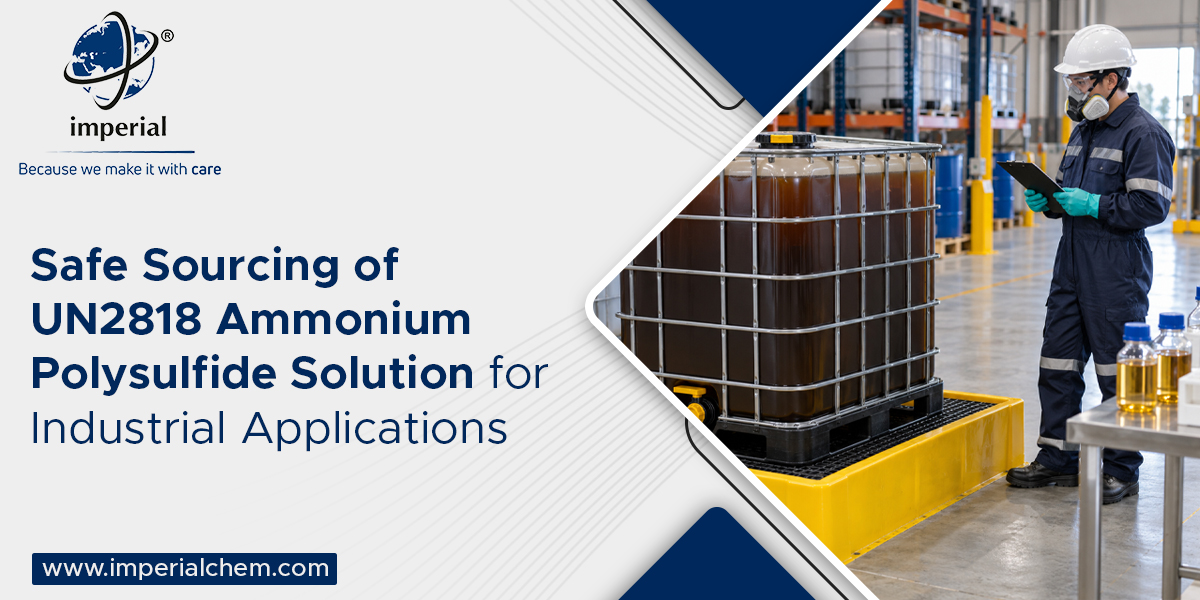
We understand the pressure when a delivery date approaches and a safety question still has no clear answer. Your plant needs stock, but you also need confidence in what arrives. When you source UN2818 ammonium polysulfide solution, those concerns deserve time before an order moves forward. At Imperial Oilfield Chemicals Pvt. Ltd., we believe a useful supply discussion starts with your concerns, not just your required quantity.
Perhaps you’ve received a quote with an unclear grade or a test sheet missing key details. You’re left chasing answers while the purchase deadline gets closer. We encourage you to raise those questions early, even when an order feels urgent. Clear answers before dispatch give your team a sound basis for accepting the delivery.
We manufacture and supply specialised oilfield chemicals, including ammonium polysulphide, for industrial requirements. At Imperial Oilfield Chemicals Pvt. Ltd., we invite you to explain the process behind your enquiry. Your intended use, working conditions and quality limits help shape a useful product discussion. A product name alone cannot tell us everything your plant needs.
When discussing Ammonium polysulfide industrial grade, we recommend agreeing on measurable limits before comparing prices. What strength does your process require? Which impurities matter, and what variation can your plant accept? We want these details written clearly, so your purchase team and technical team work from the same brief.
We also encourage you to explain any difficulties with your current supply. Perhaps batch results have varied, or delivery packs have caused problems during transfer. Those details help us understand what a better purchase must address. You shouldn’t have to repeat an old problem simply because a new quotation looks familiar.
We use Ammonium polysulfide (NH4)2Sx as a chemical description, but the formula does not define a complete purchase specification. The “x” represents a variable sulphur chain length rather than one fixed composition. We therefore recommend checking the supplied solution’s stated composition and agreed test results before approving a grade.
When you request Yellow ammonium sulfide solution, we recommend confirming the intended polysulphide composition in writing. A common commercial name or colour description leaves room for confusion. We don’t recommend using appearance alone to judge strength, purity or suitability. Your approved specification should provide the basis for acceptance.
At Imperial Oilfield Chemicals Pvt. Ltd., we encourage clear wording across your enquiry, quotation and purchase order. We suggest resolving differences before dispatch, while changes remain easier to manage. A short technical exchange at this stage can prevent a much longer discussion beside an unopened delivery.
We want you to understand why this product needs controlled handling. Ammonium polysulphide solution is strongly alkaline, and contact with acids can release toxic hydrogen sulphide gas. Heat and contact with incompatible chemicals also create hazards. We recommend reviewing these risks with your site’s safety team before approving storage or transfer arrangements.
We also draw attention to the risk of severe skin burns and eye damage. Protective equipment must suit the supplied grade and the planned task. We recommend using the product’s current safety data sheet, or SDS, alongside your site assessment. A general blog cannot replace that review or your approved handling procedure.
As an Ammonium polysulfide hazardous chemical supplier in India, we encourage safety questions during the purchase discussion. You should feel comfortable asking how the product’s hazards affect receipt and storage. At Imperial Oilfield Chemicals Pvt. Ltd., we believe those questions belong beside price and delivery details.
We understand that another document request can feel frustrating when your desk already holds several pending orders. Yet useful paperwork gives your team something firm to check. We recommend separating safety information from quality evidence, because each serves a different purpose. An SDS explains hazards; a certificate of analysis records batch test results.
We suggest reviewing these points with your purchasing, quality and safety teams before releasing an order:
For Ammonium polysulfide industrial grade, we recommend comparing actual results with the limits your team approved. A document marked “passed” is less useful without a clear acceptance basis. We also suggest agreeing on test methods where results depend on how a measurement is made.
We encourage you to keep approved records accessible to the receiving team. A complete file in purchasing offers little help if the unloading team cannot access essential details. Before arrival, we suggest confirming who checks the paperwork and who approves release into stock.
We recommend treating transport details as a technical check, rather than a final booking task. The published transport entry for UN2818 includes Class 8, subsidiary hazard Class 6.1 and Packing Group II. We advise confirming the applicable requirements against the supplied product’s SDS and planned transport route.
At Imperial Oilfield Chemicals Pvt. Ltd., we encourage you to discuss packaging and unloading arrangements before dispatch. Your delivery plan should account for available equipment, approved storage space and receiving hours. We recommend assigning a clear contact for questions during transit and arrival. You shouldn’t be deciding where a hazardous load belongs after the vehicle reaches your gate.
We recommend checking labels, seals and visible package condition through your approved receiving procedure. If you notice damage, leakage or conflicting records, pause acceptance and involve your safety team. We don’t recommend opening a suspect pack simply to confirm its contents. Your site procedure should guide the next action.
When receiving Yellow ammonium sulfide solution, we suggest checking the delivery against the approved order and batch records. A familiar colour cannot settle a mismatch in product identity. If something looks wrong, we encourage you to seek a documented answer before releasing stock for use.
For repeat orders of Ammonium polysulfide (NH4)2Sx, we recommend keeping the approved specification under version control. Changes in strength, packaging or intended use deserve a fresh review. We want your next order to reflect your current process, rather than assumptions carried forward from an older purchase.
At Imperial Oilfield Chemicals Pvt. Ltd., we welcome enquiries that include your application, required grade, quantity and delivery location. As an Ammonium polysulfide hazardous chemical supplier in India, we encourage you to include unresolved safety or quality concerns too. Those questions help focus the discussion on what your team needs to approve a purchase.
We know confidence comes from clear answers, agreed limits and records you can check. At Imperial Oilfield Chemicals Pvt. Ltd., we invite you to start that conversation before your stock becomes urgent. Share your requirements with us, and let’s make the next sourcing decision easier to assess.


UN2818 identifies ammonium polysulphide solution for dangerous goods transport. We recommend checking the shipping name, hazard classes and packing group against the current safety data sheet.
We recommend matching strength, composition and impurity limits to your process needs. Agree on written specifications before comparing quotes or approving a bulk order.
We recommend requesting the current safety data sheet, agreed product specification and batch certificate of analysis. Confirm packaging and transport details before approving dispatch.
We recommend confirming composition rather than relying on the yellow solution name. Commercial labels can overlap, so check the product identity and specification before purchase.
Contact with acids can release toxic hydrogen sulphide gas. We recommend reviewing chemical segregation with your safety team before approving storage or handling arrangements.
We recommend compatible, closed containers in a suitable ventilated storage area, away from heat and incompatible chemicals. Follow the supplied grade’s safety data sheet.
We recommend chemical-resistant gloves, protective clothing and suitable eye and face protection. Your safety assessment must confirm material compatibility and any required respiratory protection.
We recommend stopping unloading, keeping people away and alerting your site emergency team. Avoid opening damaged packs or attempting cleanup without trained personnel and approved procedures.
We don’t recommend judging quality by colour or smell. Use batch test results against agreed limits, and never deliberately smell a container to assess its contents.
We recommend requesting the supplied grade’s documented shelf life or retest date. Storage conditions matter, so avoid applying another supplier’s expiry period to your batch.
We recommend comparing strength, test limits, packaging, freight and supporting documents together. A lower purchase price offers little value when the grade fails your requirements.
We welcome your intended application, required strength, quantity, packaging needs and delivery location. Include quality limits and safety concerns so we can discuss your requirements clearly.